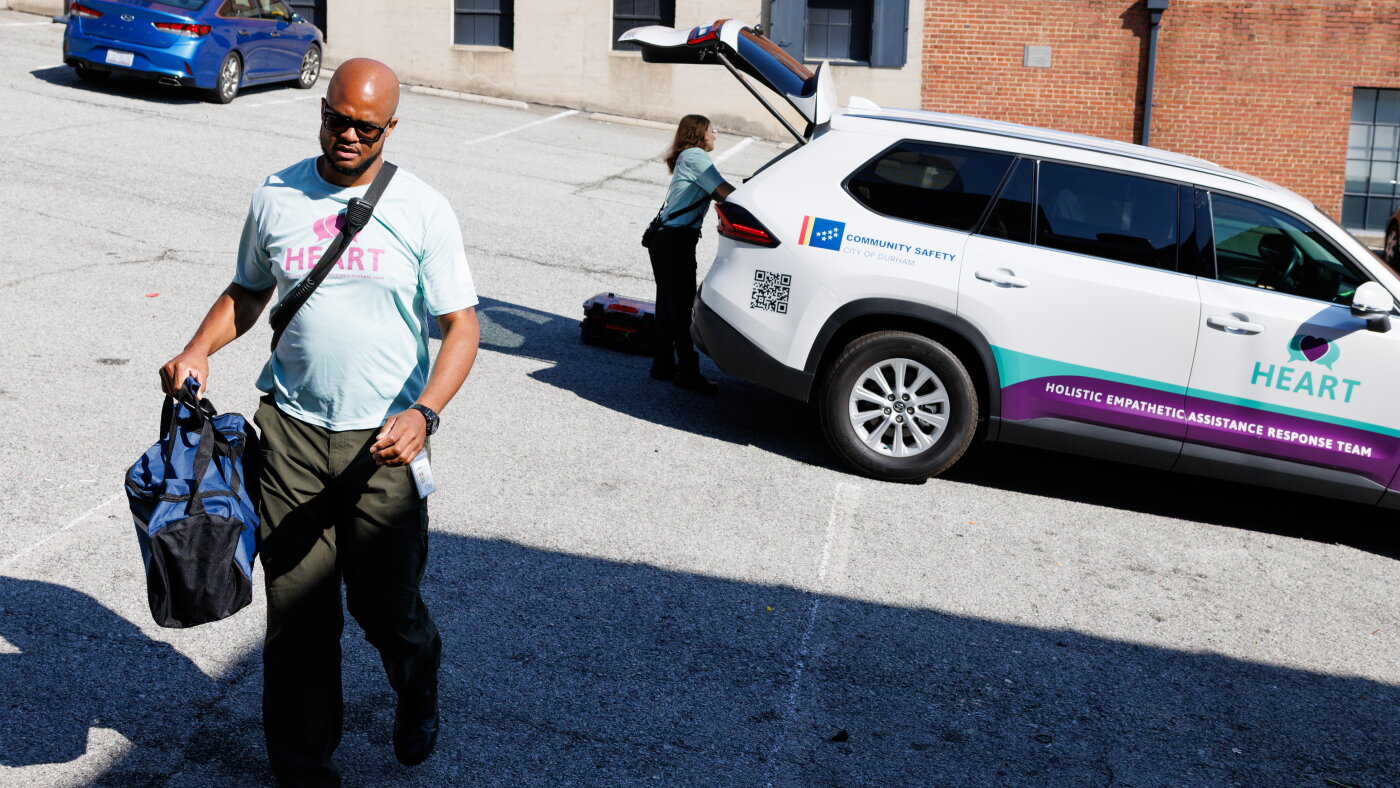
On a typical Wednesday in Durham, North Carolina, Rob Crisp and Allie Craft set out not with handcuffs or sirens, but with bottled water, snacks, and hygiene kits. Their destination was a strip mall parking lot where a man had been reported for trespassing. Instead of an armed police presence, the city dispatched members of the Holistic Empathetic Assistance Response Team, known as HEART. Crisp, a peer support specialist who once battled drug addiction himself, used his shared experience to calm the tense situation. By offering empathy rather than authority, he convinced the man to move his belongings off the property without any escalation.
This approach marks a significant shift in how American cities view public safety. Five years ago, almost every 911 call regarding a mental health crisis or homelessness resulted in the arrival of police officers. However, following the national reckoning after George Floyd’s death in 2020, a movement grew toward community response models. What started as just six programs across the country has expanded to nearly 100 cities that now deploy unarmed clinicians and specialists to specific types of emergencies. In Durham alone, HEART has handled over 25,000 calls since its launch in 2022.
The data suggests that shifting these responsibilities away from law enforcement pays dividends for both citizens and officers. Preliminary studies from Duke University indicate that residents may actually be calling 911 more often because they trust the system more when they know help will arrive without weapons. Furthermore, research from the Research Triangle Institute shows a decrease in arrests and high levels of approval from police officers themselves, who find that their workload is lightened when specialized teams manage non-criminal crises. Similar successes have been noted in Denver and Eugene, Oregon, where similar programs led to lower crime reports and better medical access for vulnerable populations.
Despite these gains, implementing such programs is rarely seamless. Former Durham Police Chief Patrice Andrews recalls early resistance from officers who worried about the safety of unarmed responders or viewed the initiative as a political statement against traditional policing. To bridge this gap, Durham integrated HEART into the existing emergency infrastructure by placing them on the same radio channels as police units_ allowing officers to see firsthand how these specialists operate within the larger safety network. Today, officials envision mental health response not as a replacement for police, but as a critical fourth pillar of emergency services alongside fire and EMS departments.